Fluffy, golden, and beautifully dramatic straight out of the oven.
The first time I made German pancakes, I remember watching through the oven door like a kid waiting for a magic trick. The batter puffed up, curled around the edges, and turned this deep golden color that looked almost too pretty to touch.
The best part? It’s absurdly easy. You whisk a few ingredients, pour the mixture into a hot pan, and let the oven take over.
It rises, collapses, and becomes this soft, custard-like pancake that feels cozy and indulgent without taking much time at all.
Why This Pancake Feels Special
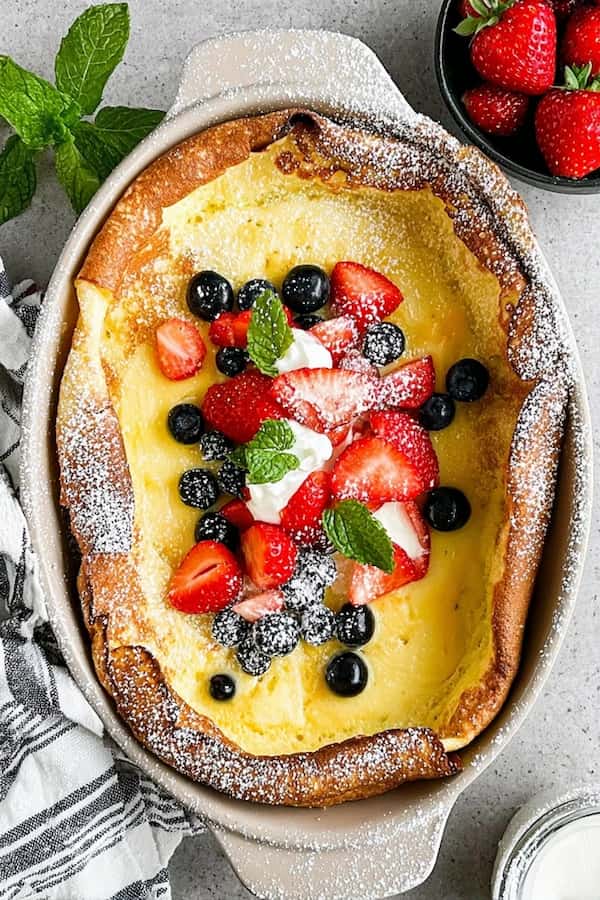
A German pancake isn’t like the fluffy stacks you flip on the stove. It’s more dramatic — almost theatrical. The edges climb upward while the center settles into a tender, custardy layer. Every bite is different: the edges slightly crisp, the middle soft and silky.
There’s also something satisfying about using ingredients you probably already have on hand: eggs, milk, flour, butter, a touch of sugar. Nothing complicated. It’s the kind of recipe that saves you from a last-minute grocery run.
And if you like toppings, you’ll love how versatile it is. Fresh berries, powdered sugar, maple syrup, cinnamon sugar, whipped cream — everything works.
My First Attempt
My first German pancake wasn’t perfect, but it was memorable. I didn’t preheat the pan long enough, so the rise wasn’t as dramatic. But even then, the flavor was incredible. The texture reminded me of a cross between a soft crepe and a popover.
The second time, I heated the pan properly, and suddenly everything made sense. The edges puffed up like a crown, and the center had that smooth, custardy texture that makes this dish feel so comforting.
Over time I learned small details that make a big difference — like blending the batter until it’s completely smooth, and letting the oven stay hot without opening the door (tempting as it is).
Ingredients
Serves 3–4
- 3 large eggs
- ½ cup all-purpose flour
- ½ cup milk
- 1 tablespoon sugar
- 1 teaspoon vanilla extract
- 3 tablespoons butter
- Pinch of salt
- Optional toppings: strawberries, blueberries, powdered sugar, lemon juice, maple syrup
Heat the Pan
Place a cast-iron skillet (or any oven-safe pan) into the oven and preheat to 220°C / 425°F. A hot pan is essential — it creates that big, impressive rise.
Let it heat for the entire time the oven preheats. When the butter hits the pan later, it should melt instantly.
Blend the Batter
In a bowl or blender, combine the eggs, flour, milk, sugar, vanilla, and salt. Blend or whisk until completely smooth.
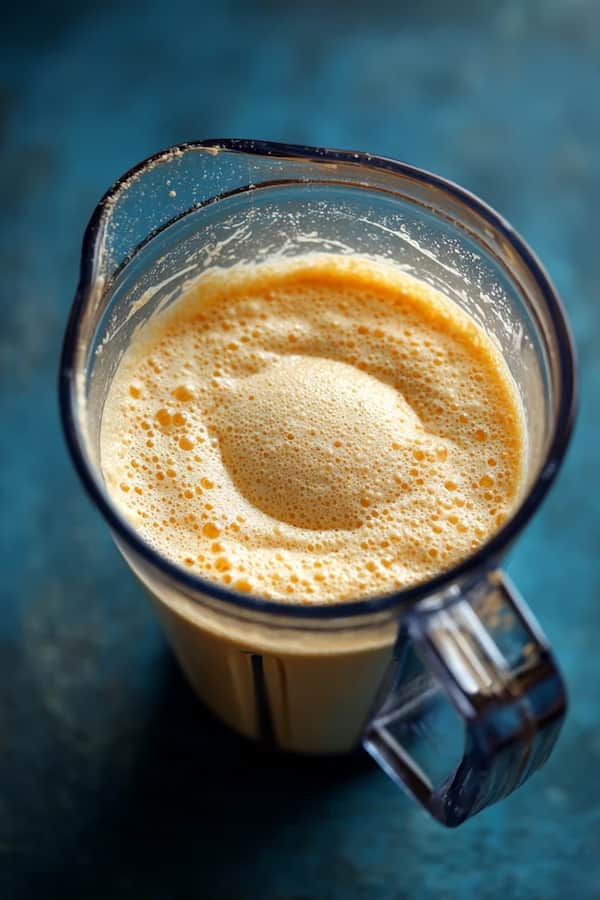
You don’t want lumps in this batter. A silky mixture helps the pancake rise evenly and gives the final dish a custard-like texture.
Let the batter rest for a couple of minutes while you prepare the pan.
Melt the Butter
Carefully remove the hot skillet from the oven. Drop in the butter, and it should sizzle immediately. Swirl it around to coat the entire bottom and sides of the pan.
The butter not only adds flavor but also helps prevent sticking.
Pour and Bake
Pour the batter directly into the hot, butter-coated skillet. You might hear a soft hiss — that’s exactly what you want.
Place the skillet back in the oven and bake for 17–22 minutes. The pancake will puff dramatically, especially around the edges. It will look like it’s trying to escape the pan, which is part of the charm.

Avoid opening the oven door. Even a small temperature change can interrupt the rise.
Serve Warm
Once you remove the skillet from the oven, the pancake will slowly deflate. That’s completely normal. The delicious part is the soft center and the golden edges.
Top with berries, dust with powdered sugar, drizzle with syrup, or squeeze fresh lemon over the top. Serve immediately while it’s warm and fluffy.

What Makes This Recipe So Good
The ingredient list is simple, yet the result feels special. The largest flavor payoff comes from technique — not complexity. Heating the pan thoroughly gives you the signature puff. Using enough eggs keeps the center tender. The butter adds richness and caramelizes around the edges.
Another thing I love: the recipe scales easily. You can make two pans at once for a crowd, or halve the recipe for a smaller breakfast.
This German pancake also reheats surprisingly well. Just pop a leftover slice into the oven for a few minutes, and it regains that soft, warm texture.
Flavor Variations to Try
Cinnamon Sugar
Sprinkle cinnamon sugar over the batter before baking for a warm, cozy flavor.
Apple Version
Sauté thin apple slices in butter and cinnamon first, then pour the batter over them.
Citrus Twist
Add a tablespoon of lemon or orange zest to the batter for brightness.
Chocolate Chip Fun
Sprinkle a small handful of chocolate chips over the batter right before baking.
Topping Ideas
One of the reasons I make German pancakes so often is how easily they adapt to whatever fruit is in my fridge.
- Fresh strawberries and blueberries
- Powdered sugar
- Whipped cream
- Honey or maple syrup
- Lemon juice + powdered sugar (classic combo)
- Nutella or hazelnut spread
- Sliced bananas + cinnamon
Every topping changes the vibe of the dish — light and fruity, rich and chocolatey, or simple and sweet.
Why Did My German Pancake Not Rise?
If your pancake stayed flat, the pan probably wasn’t hot enough. A cold or lukewarm pan won’t create the steam burst needed for the dramatic rise.
Another reason could be under-whisked batter — small lumps make the bake uneven. Make sure the oven is fully preheated, the skillet is very hot, and the batter is smooth.
Can I Make This Without a Cast-Iron Skillet?
Yes. Any oven-safe pan works. A metal cake pan or ceramic dish also does the job, though the rise may vary slightly. Just make sure the pan preheats with the oven so the butter melts quickly when you add it.
A Must-Try!
German pancakes are the kind of breakfast that make mornings feel slower and easier. The process is simple, but the result is warm, dramatic, and satisfying. It’s a dish that looks impressive without demanding much from you at all.
Once you make it a few times, you’ll know it by heart — and you’ll probably find yourself making it on quiet mornings when you want something comforting but effortless.
Ingredients
Method
- Place a cast-iron skillet (or any oven-safe pan) into the oven and preheat to 220°C / 425°F
- In a bowl or blender, combine the eggs, flour, milk, sugar, vanilla, and salt. Blend or whisk until completely smooth. Let the batter rest for a couple of minutes while you prepare the pan.
- Carefully remove the hot skillet from the oven. Drop in the butter, and it should sizzle immediately. Swirl it around to coat the entire bottom and sides of the pan.
- Pour the batter directly into the hot, butter-coated skillet. You might hear a soft hiss — that’s exactly what you want.
- Place the skillet back in the oven and bake for 17–22 minutes. The pancake will puff dramatically, especially around the edges.
- Once you remove the skillet from the oven, the pancake will slowly deflate. That’s completely normal.
- Top with berries, dust with powdered sugar, drizzle with syrup, or squeeze fresh lemon over the top.
Notes
Topping Ideas
One of the reasons I make German pancakes so often is how easily they adapt to whatever fruit is in my fridge.- Fresh strawberries and blueberries
- Powdered sugar
- Whipped cream
- Honey or maple syrup
- Lemon juice + powdered sugar (classic combo)
- Nutella or hazelnut spread
- Sliced bananas + cinnamon